What does an all-inclusive Mauritius holiday include?
Return flights from London, private airport transfers both ways, and seven, 10 or 12 nights at a beachfront resort with every meal, drink and evening’s entertainment covered. The longer stays cost far less than you would expect, because most of what you pay on a trip this far is the flight — so the extra nights are the cheapest thing on the whole holiday. A £99 deposit each holds it and the balance is due nearer the time. Current prices for every month still on sale are in the grid above, and a UK specialist will confirm the exact figure for your dates.
Is Mauritius expensive compared with other Indian Ocean islands?
It is the most affordable of the three by a clear margin, and that is the reason most people end up choosing it.
The Indian Ocean has a reputation for being out of reach, and the Maldives and Seychelles earn it. Mauritius does not. Our Seychelles beach retreat and our 5★ Mauritian escape both sit meaningfully above this one, and this is the only Mauritius holiday we sell that puts every meal, every drink and both private transfers inside the price.
What makes the difference is that Mauritius is a real country rather than a collection of resort islands. It has towns, a bus network, a working economy and competition between hotels. You are not captive to a single resort’s restaurant prices, and the island itself is free to explore.
The honest counterpoint: if you want a private island and a water villa on stilts, Mauritius is not that and the Maldives is. But if you want the same warm sea and white sand on an island you can actually explore, without the Maldivian price tag, this is the one.
When is the best time to visit Mauritius?
Between May and October, and September or October if you want the best of it. Mauritius sits below the equator, so its winter falls across our summer — dry, warm, far less humid, and outside the cyclone season entirely.
The part most people get wrong is when that cyclone season actually runs. GOV.UK puts it at November to May, later into the year than almost anyone expects. Plenty of travellers book what they think is the shoulder season and land inside the window.
Two things worth knowing. Mauritian winter means warm rather than hot — evenings want a light layer, and if you are chasing serious heat you are looking at the wet months. And December is the one to avoid on price: festive demand meets the wettest half of the year.
If your dates are flexible, ask us which of the months still on sale gives you the best combination of weather and price — it moves through the year, and we would rather tell you than have you guess.
How many nights do you need in Mauritius?
Ten, if you can. Seven works and twelve is better.
The flight is around twelve hours each way, so a week loses the best part of two days to travelling. Ten nights gives you a fortnight’s feeling for a few hundred pounds more, and because the flight is the expensive part, the extra nights are the cheapest thing you will buy.
Seven nights is the right answer if you only want the beach. Ten or twelve is the right answer if you want the beach and the island — the gorges, the tea country, Port Louis, a day on a catamaran.
What is Mauritius actually like?
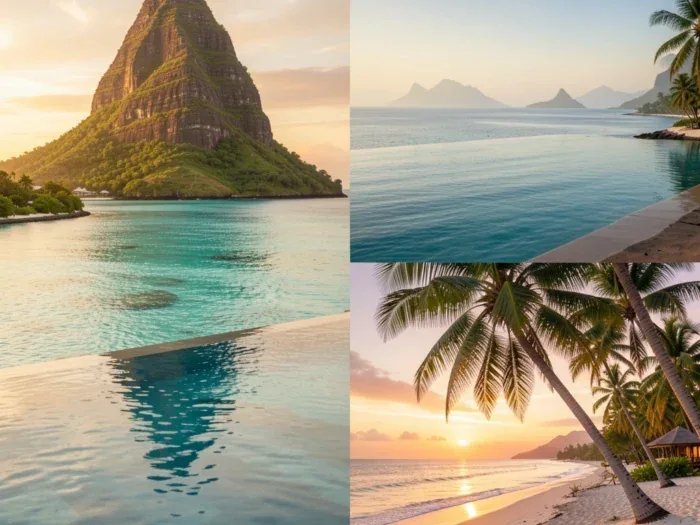
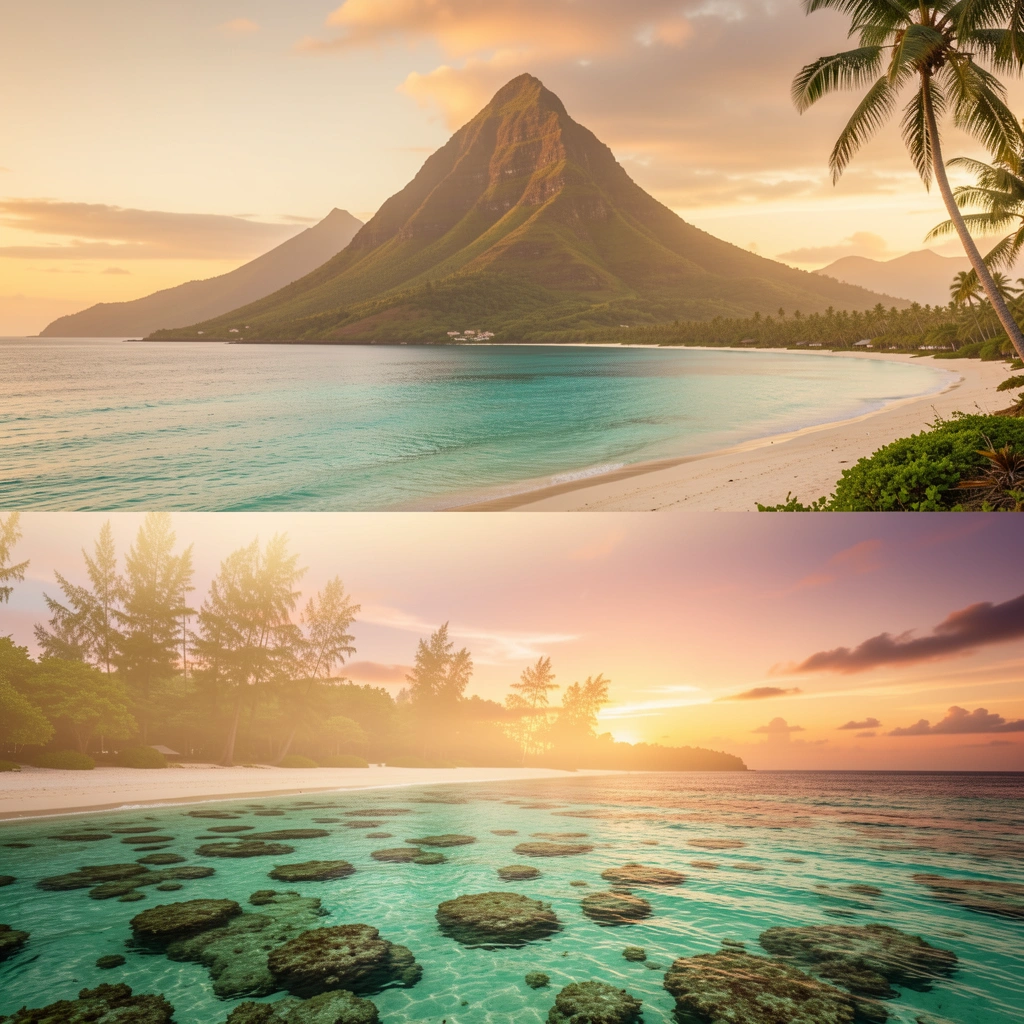
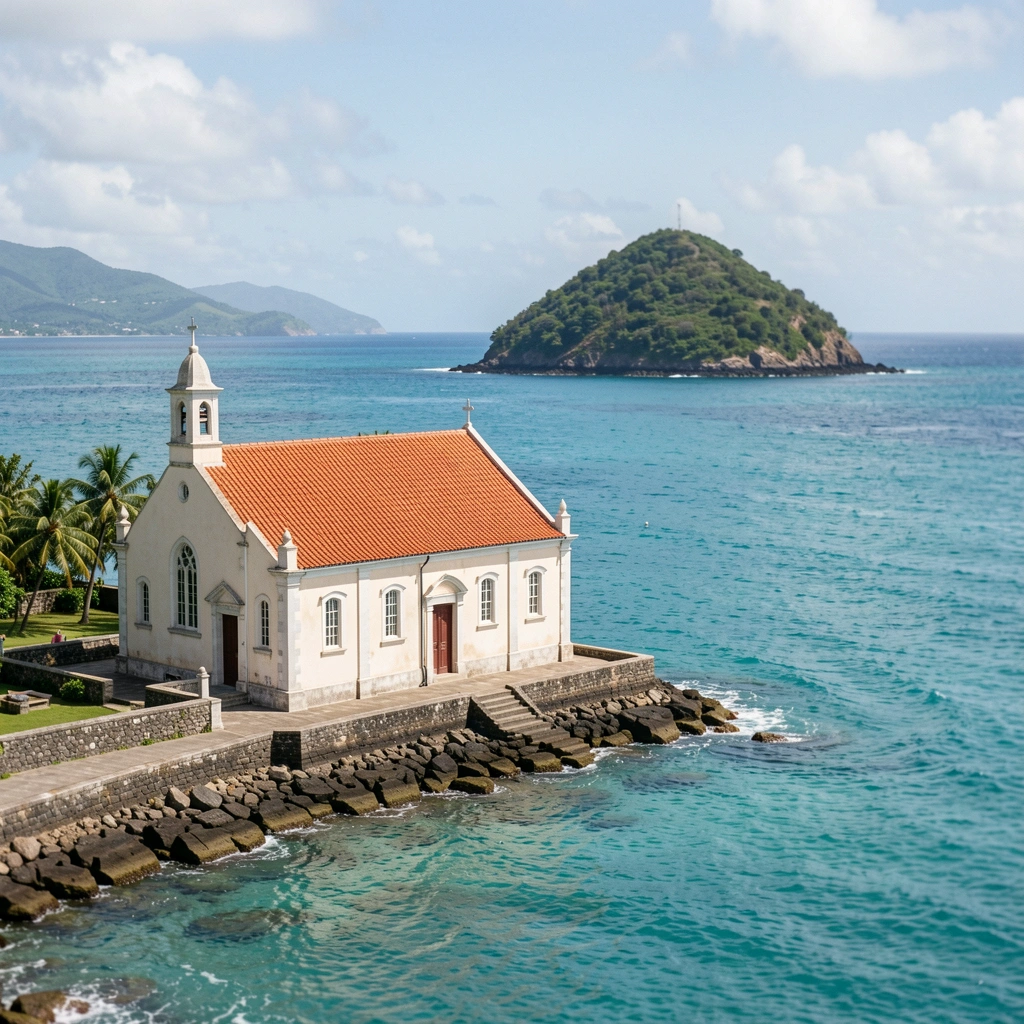
The lagoon is the thing. A coral reef rings almost the entire island, so the water inside it is shallow, still and genuinely the colour it looks in photographs. It is one of the calmest seas you can swim in, which makes it unusually good for children and for anyone who is not a confident swimmer.
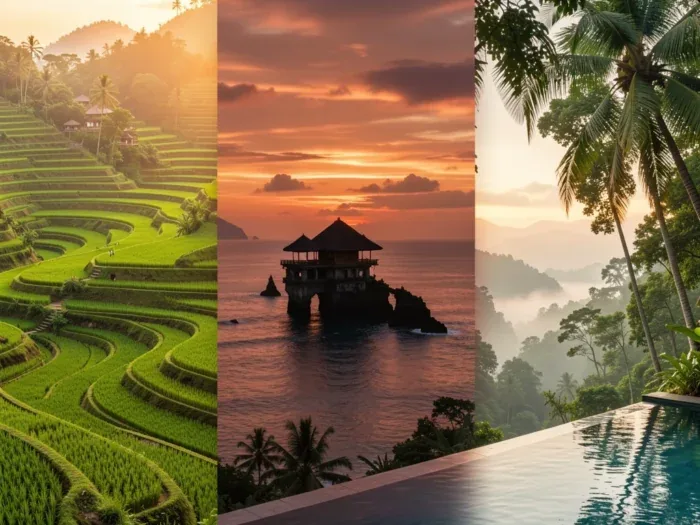
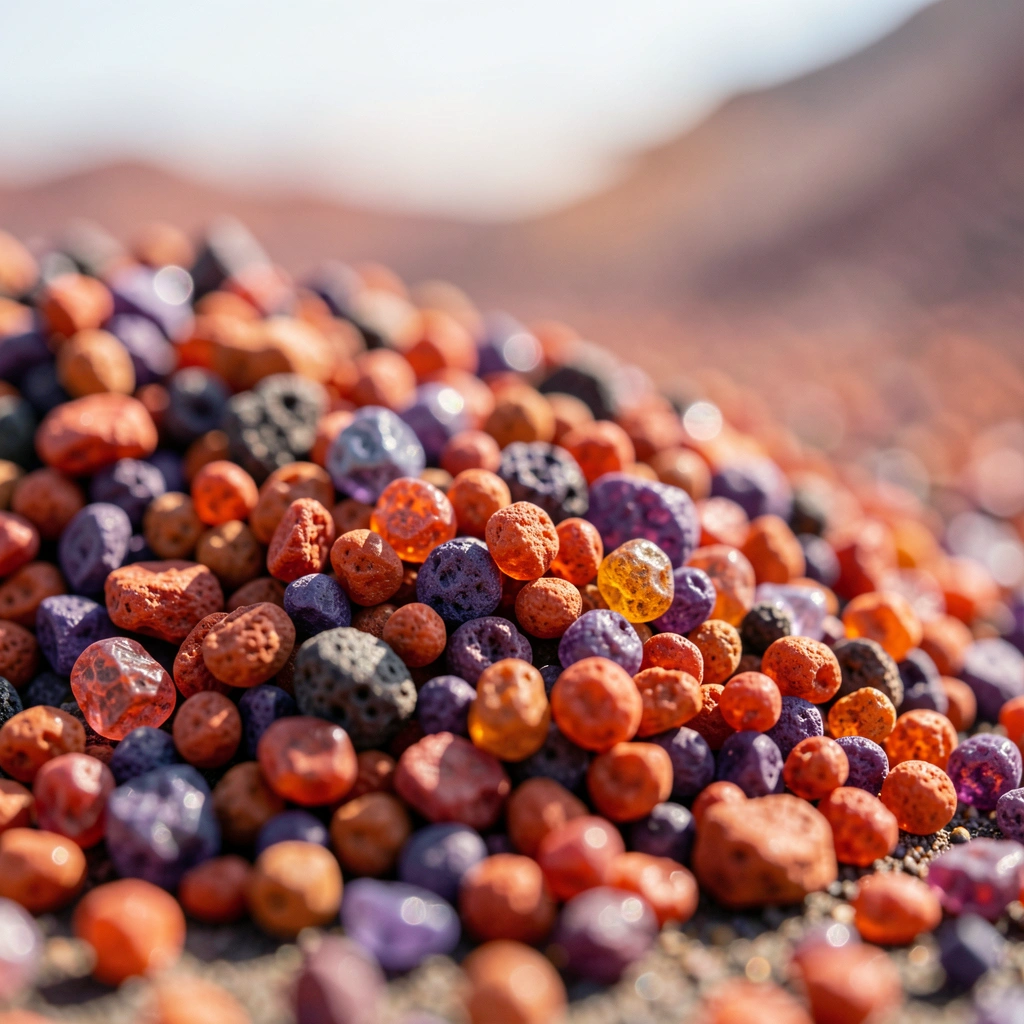
Inland it is mountainous and green, which surprises people expecting a flat sandbar. Black River Gorges is proper rainforest, Chamarel has waterfalls and its famous coloured earths, and the centre is covered in working tea plantations.
The food is the sleeper. Creole, Indian, Chinese and French cooking have sat side by side here for generations and the result is unlike anywhere else in the Indian Ocean. The street food in Port Louis is better than most hotel restaurants — dholl puri, gateaux piments, rougaille.
The island is smaller than it feels. Roughly 40 miles by 30, so nothing is more than about two hours away. The constraint is traffic around Port Louis rather than distance.
What does all-inclusive actually cover here?
Meals, drinks and entertainment through the day, plus the private transfers from the airport at both ends, which not every Indian Ocean holiday includes and which is worth having after twelve hours in the air.
What sits inside “all-inclusive” varies by resort — premium spirits, speciality restaurants and motorised watersports are the usual exclusions. We will set out exactly what yours covers before you pay anything beyond the deposit, so there are no surprises at the bar.
The excursions this trip is known for — a catamaran cruise, the underwater sea walk, a day touring the south of the island — are extras rather than inclusions. The sea walk is the one people remember: a weighted helmet lets you walk on the seabed breathing normally, with no diving experience at all.
Do you need a visa for Mauritius?
No. British passport holders get in visa-free for up to 60 days, and your passport is stamped with the date your stay ends.
Your passport needs to be valid for the whole of your stay and to have one blank page. You will also need to show proof of onward or return travel at the border.
The one thing to do before you fly is the Mauritius All in One travel form, completed online and printed — take the QR code to the airport with you. There is no visa fee.
Checked against GOV.UK foreign travel advice on 17 September 2026.
How do you get around the island?
Your airport transfers are included both ways, so you arrive without having to negotiate anything.
After that, hire a car if you want to see the island properly — it is the only way to reach the gorges and the tea country on your own terms, and distances are short. Driving is on the left, which helps, and the roads are good. Traffic around Port Louis is the only real hold-up.
Taxis are straightforward and most hotels will arrange one. There is a cheap bus network that locals use and visitors mostly do not; it is slow but it works and it is an experience in itself.
What should you know before you go?
Plugs. Mauritius uses the UK three-pin socket, so your chargers work without an adapter — one of the few long-haul destinations where that is true.
Health. There is no malaria risk in Mauritius. No vaccinations are required for travel from the UK, though it is always worth checking with your GP or a travel clinic before a long-haul trip.
Reef shoes. The coral that keeps the lagoon calm also makes bare feet a poor idea in shallow water, and sea urchins are common. A cheap pair saves a ruined afternoon.
The sun is stronger than it feels. The breeze off the lagoon in June and July disguises it, and those are the days people get caught out rather than the obviously hot ones.
Cyclone cover. If you are travelling between November and May, read your insurance on weather disruption specifically. GOV.UK notes that during a cyclone residents must stay indoors and that cover may lapse.
Time difference. Four hours ahead of the UK in winter, three during British Summer Time. Mauritius does not change its clocks, so the gap moves with ours.
Who this suits, and who it doesn’t
It suits couples and honeymooners who want the beach to be the whole holiday; families with young children, because of that shallow lagoon; anyone who would rather not think about the bill after they arrive; and travellers who can go in May, June, September or October, when the price and the weather agree with each other.
You might prefer something else if you want a private island and an overwater villa — that is the Maldives and it costs considerably more. If you want a 5★ resort, our Mauritius luxury escape starts at £1,649 per person. If you are travelling as a family on a tighter budget, our family holiday starts at £1,099 per person. And if twelve hours each way is the sticking point, the Canaries give you winter sun in four, though not this water.
If you are comparing, our full range of all-inclusive holidays sits alongside this one, and our Mauritius Luxury Escape is the 5★ version of the same island.
What you can add
Just ask and we will price any of these against your dates.
- A sea-view or beachfront room, which on this coast is worth the difference
- Premium economy or business class on the overnight flight
- Twelve nights instead of seven — the cheapest upgrade on the list
- The catamaran cruise, the underwater sea walk or a day touring the south
- Car hire, which is what opens up the interior
- A honeymoon or anniversary arrangement with the hotel
What is not included
- Excursions — the catamaran, the sea walk and the island tours are all extra
- Travel insurance, which matters more here in cyclone season
- Premium spirits, spa treatments and motorised watersports at most resorts
- Car hire, fuel and parking
- Regional UK departures, which carry a supplement we will quote you
Booking and protection
Every holiday we sell is ATOL protected under licence 10713, and we hold IATA accreditation 91285611. Yours is held with £99 per person and the balance is due before you travel.
If your dates are at all flexible, aim for September or October — dry, warm, clear of cyclone season, and quieter than the festive weeks. Tell us roughly what you are after and a UK specialist will come back to you with an exact price, usually within a working day.

 Save 15%
ATOL Protected
Vietnam & Cambodia
Room Only