
Christmas Market Holidays 2026
Twenty-four flight-inclusive Christmas market breaks across nineteen European cities — from the vast traditional markets of Nuremberg and Dresden to the canal-side stalls of Colmar. All ATOL protected, all held with a low deposit.
Quick answer
What is a Christmas market holiday, and what does it cost?
Christmas market holidays are short flight-inclusive breaks to European cities during Advent, usually two to four nights. Prices start at £139pp for two nights in Budapest and run to £499pp for a four-night Alpine twin-centre, including return UK flights, a 4★ hotel and ATOL protection. Most markets open in the last week of November and close on 23 or 24 December.
All 24 Christmas Market packages
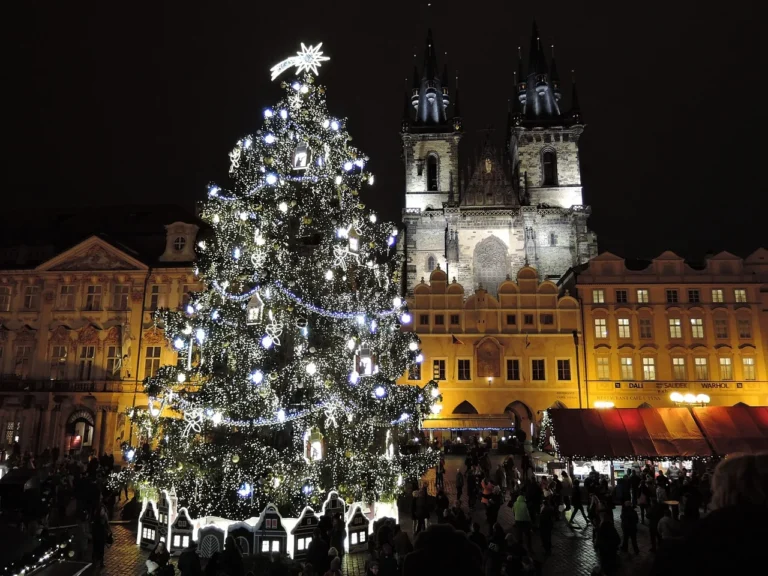
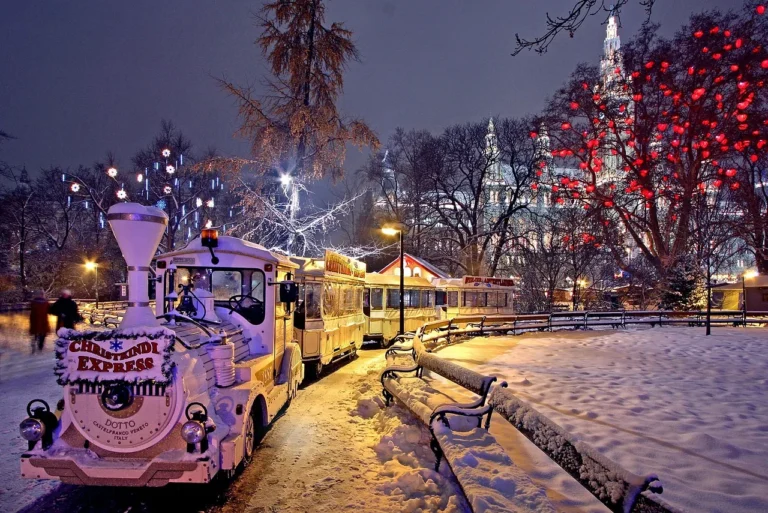
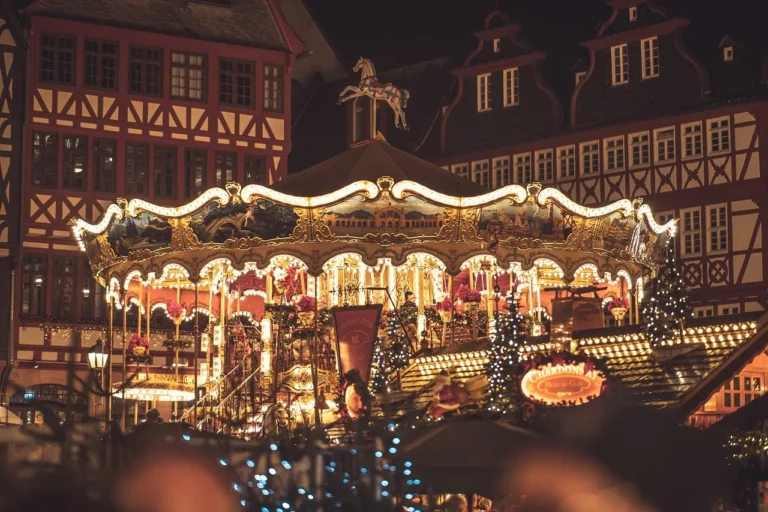
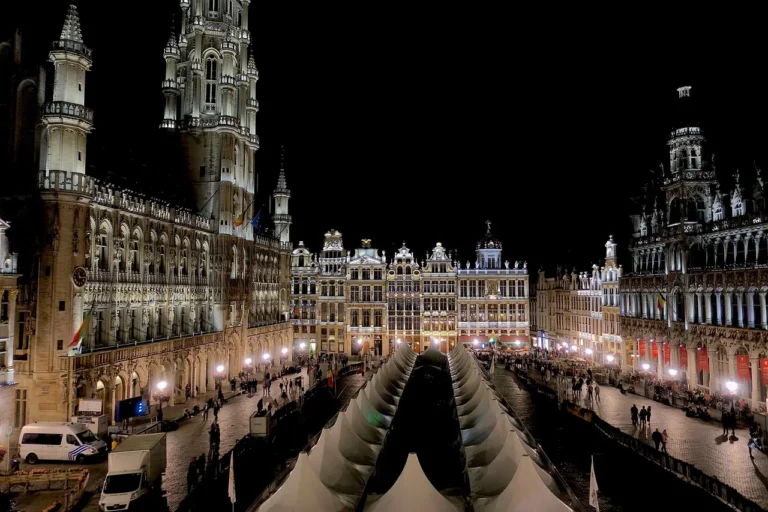
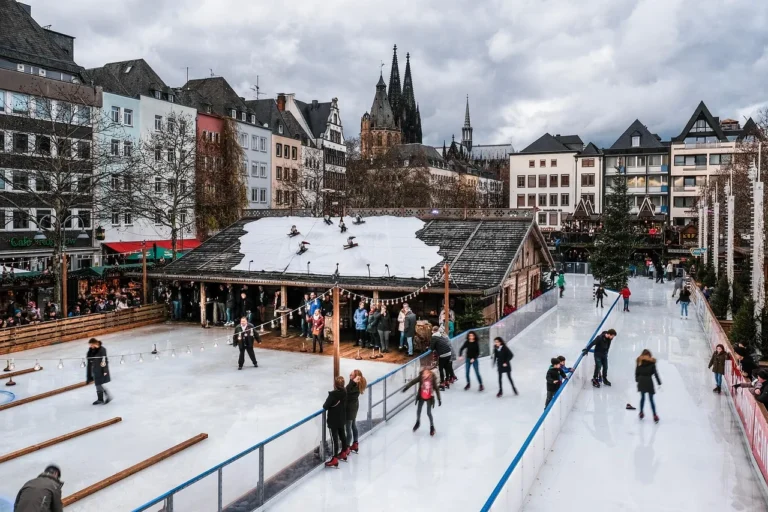

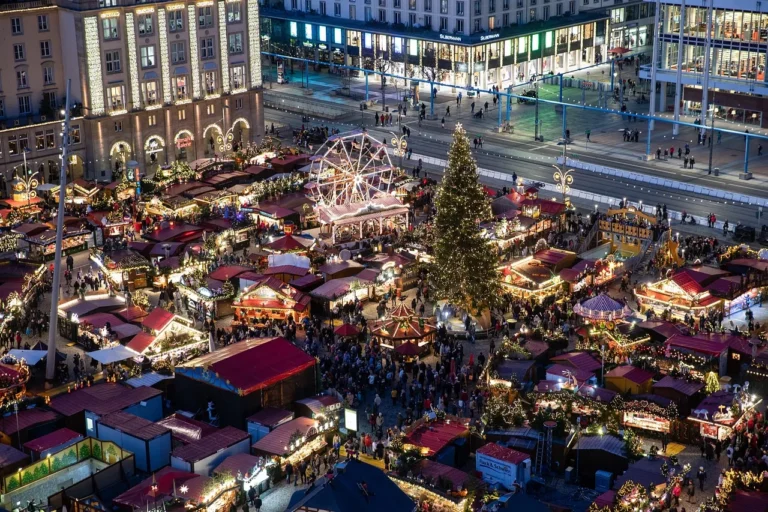
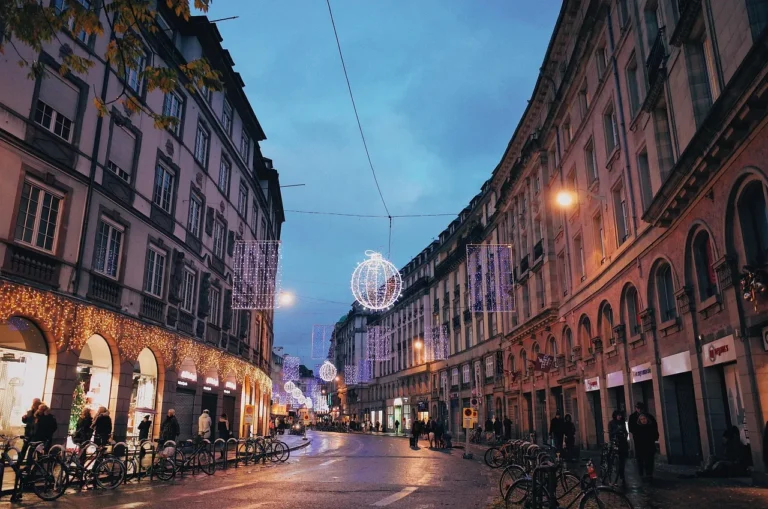
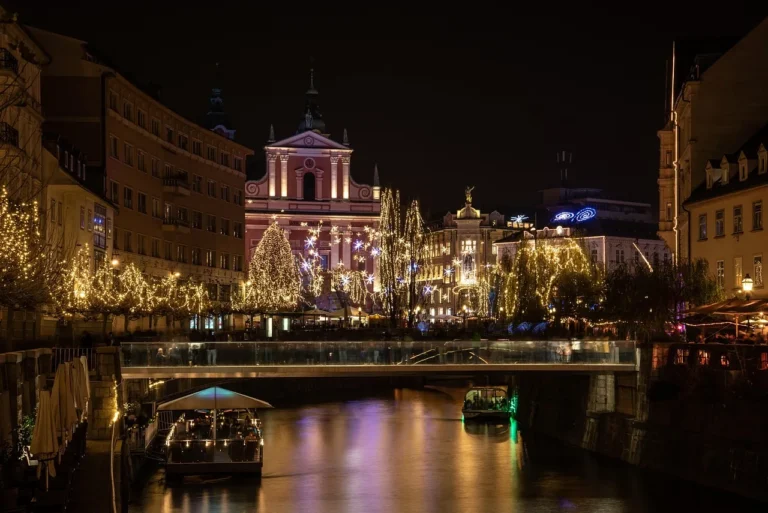
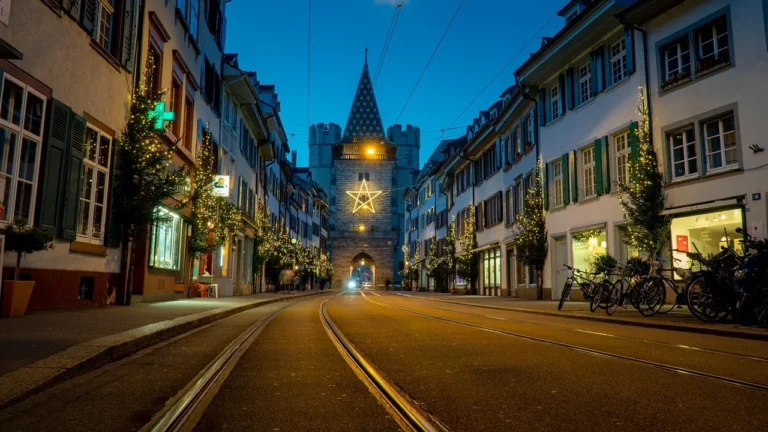
Cologne & Düsseldorf Christmas Markets — 4 Nights, Twin City
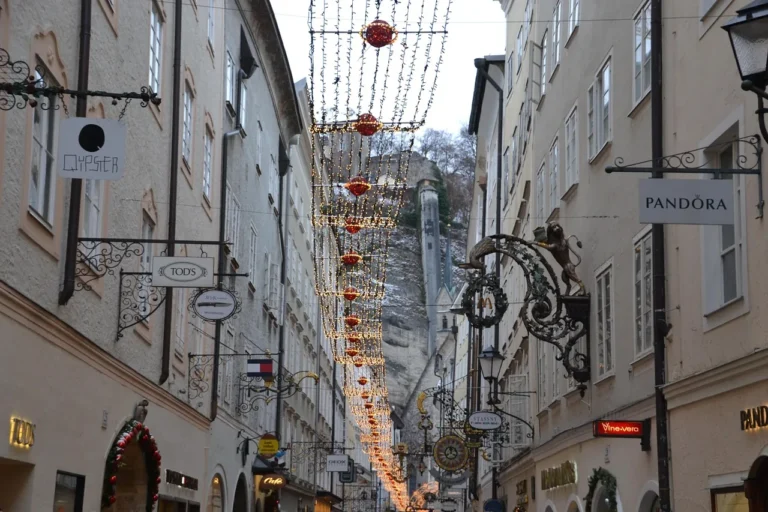
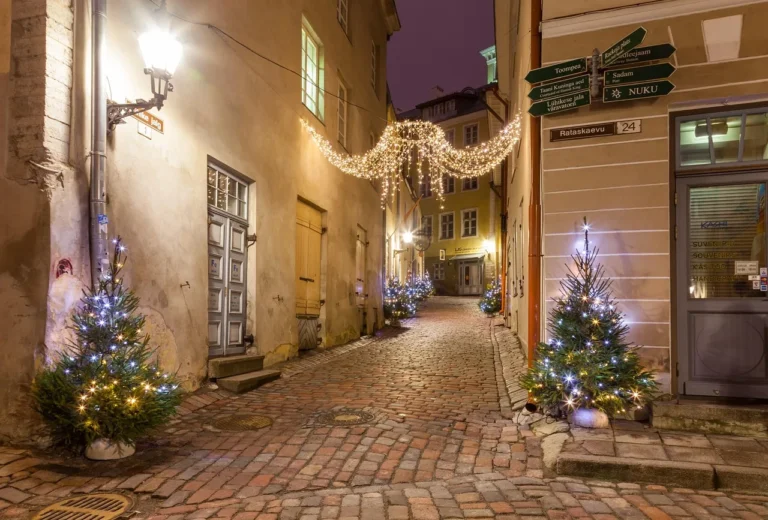
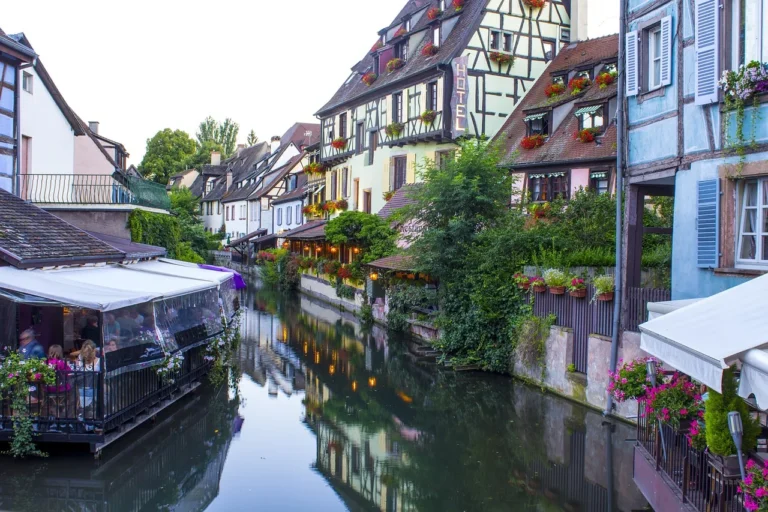
Nuremberg & Munich Christmas Markets — 4 Nights, Twin City
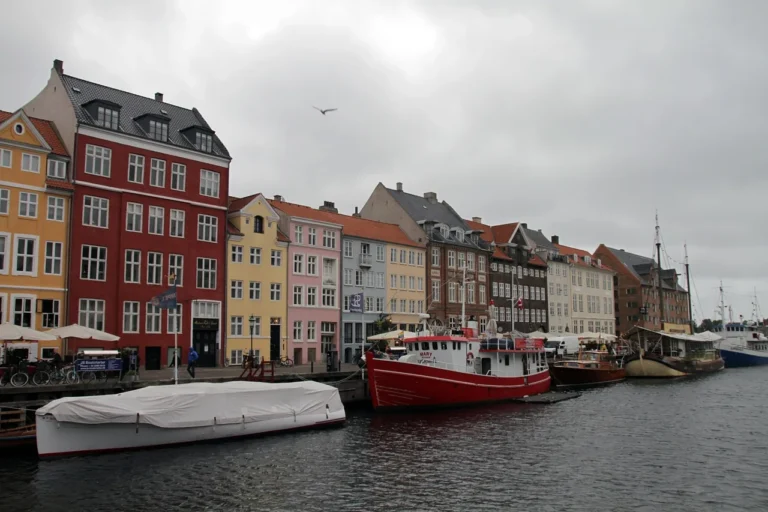
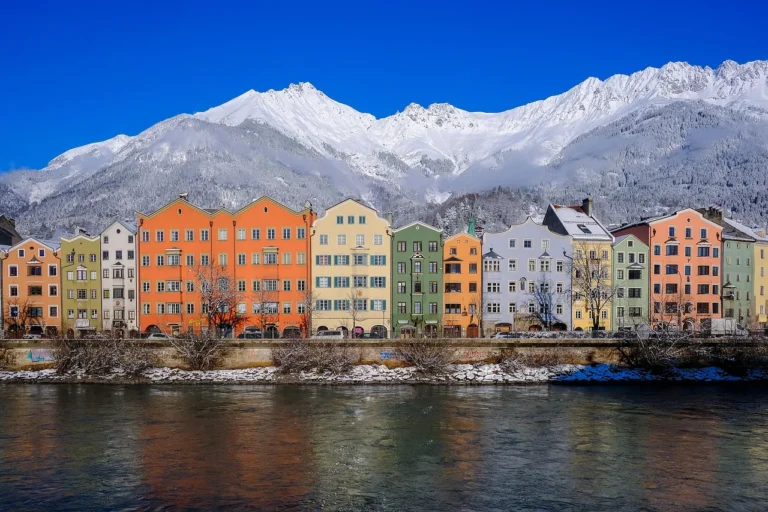
Strasbourg & Colmar Christmas Markets — 4 Nights, Twin City
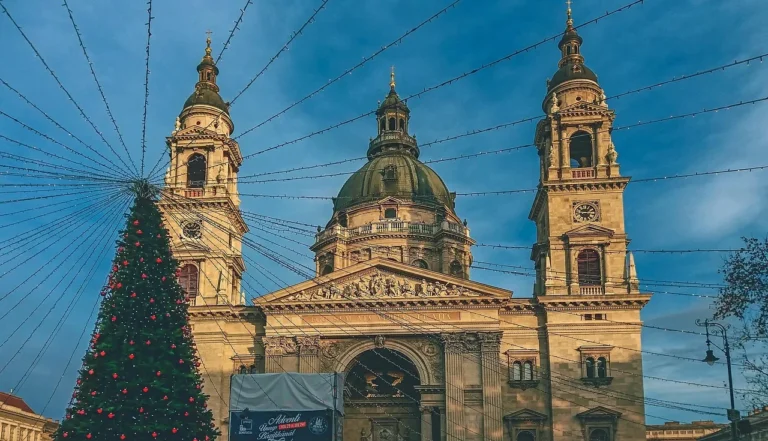
Vienna & Budapest Christmas Markets — 4 Nights, Twin City
Salzburg & Innsbruck Christmas Markets — 4 Nights, Twin City
Every Christmas market break at a glance
All 24 packages, cheapest first. Every price is per person and includes return flights from London, your hotel and ATOL protection.
Single-city breaks
| City | From | Nights | Hotel | Best for |
|---|---|---|---|---|
| Budapest | £139pp | 2 | 4★ | The cheapest break we run; thermal baths alongside the markets |
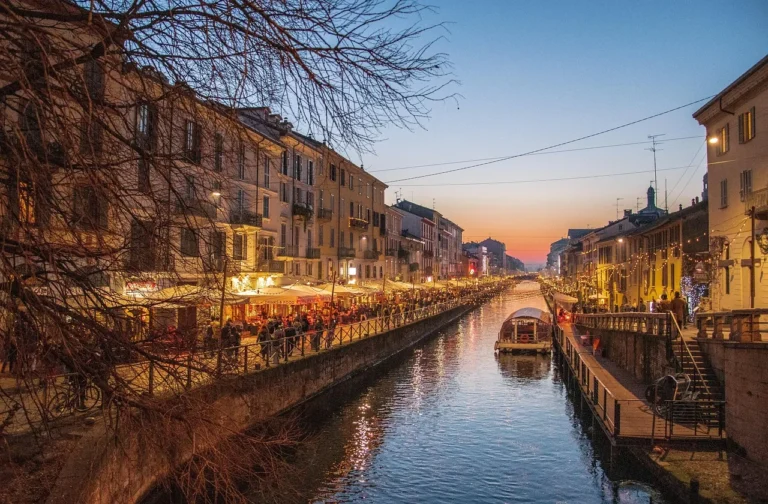
| Milan | £149pp | 2 | 4★ | Markets plus serious shopping and the Duomo |
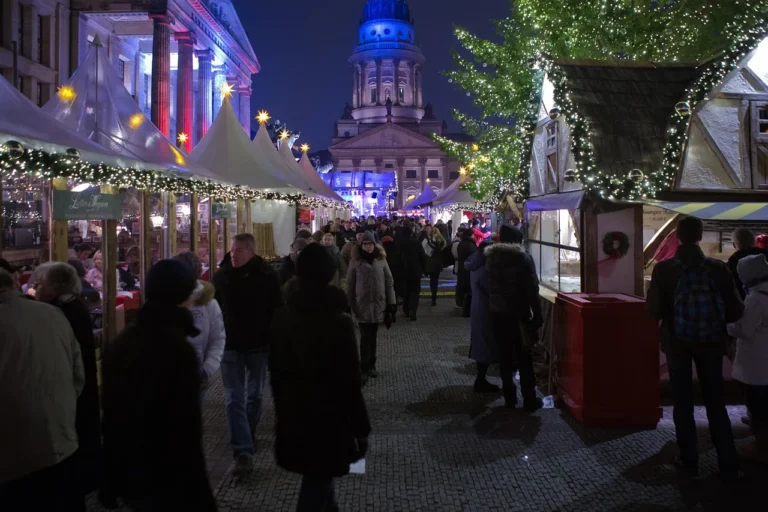
| Berlin | £159pp | 2 | 4★ | Choice — around 80 markets across the city, every style |
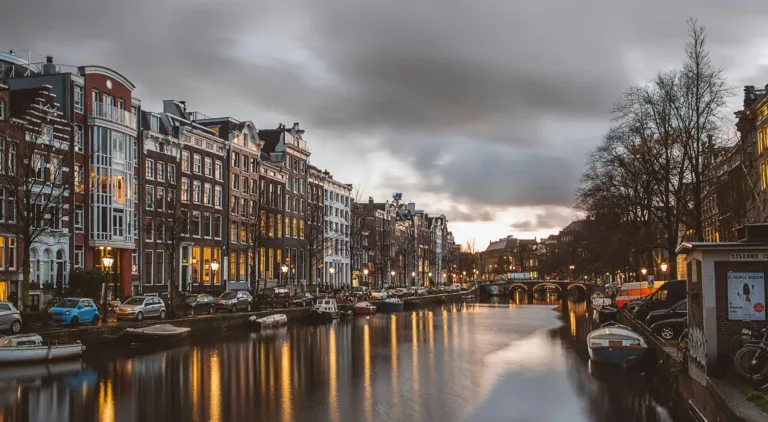
| Amsterdam | £189pp | 2 | 4★ | Canals, lights and an easy short flight |
| Vienna | £199pp | 2 | 4★ | The grandest setting of any market on this list |
| Prague | £199pp | 2 | 5★ | Five-star hotel at a two-star price |
| Frankfurt | £209pp | 2 | 4★ | One of Germany's oldest, in the Römerberg square |
| Brussels | £279pp | 3 | 4★ | Winter Wonders: markets, big wheel and a light show |
| Cologne | £299pp | 3 | 4★ | Several markets in walking distance of the cathedral |
| Nuremberg | £329pp | 3 | 4★ | The most famous traditional market in Germany |
| Dresden | £349pp | 3 | 4★ | The Striezelmarkt, first held in 1434 |
| Strasbourg | £379pp | 3 | 4★ | Running since 1570 and still the benchmark |
| Ljubljana | £389pp | 3 | 4★ | Small, walkable and far less crowded than the big names |
| Salzburg | £399pp | 3 | 4★ | Baroque old town with mountains behind it |
| Basel | £399pp | 3 | 4★ | Switzerland's largest, and immaculately done |
| Tallinn | £399pp | 3 | 4★ | Medieval Town Hall Square; the most atmospheric small market |
| Colmar | £429pp | 3 | 4★ | The prettiest — stalls along the canals of Little Venice |
| Copenhagen | £449pp | 3 | 4★ | Tivoli Gardens in full winter dress |
| Innsbruck | £449pp | 3 | 4★ | Markets with the Alps directly overhead |
Twin-centre breaks
| Pairing | From | Nights | Why this combination |
|---|---|---|---|
| Cologne & Düsseldorf | £399pp | 4 | Twenty minutes apart on the Rhine, with very different markets |
| Nuremberg & Munich | £429pp | 4 | Germany's most famous market plus Bavaria's biggest city |
| Vienna & Budapest | £449pp | 4 | Two imperial capitals, two completely different atmospheres |
| Strasbourg & Colmar | £449pp | 4 | The two best markets in Alsace, half an hour apart |
| Salzburg & Innsbruck | £499pp | 4 | The Alpine pairing, and the most likely to give you snow |
Which Christmas market should you choose?
Nearly every European city puts on a Christmas market, and they are not interchangeable. The difference between a vast German market town and a compact Alsatian village is the difference between two completely different weekends. Pick the atmosphere first and the price second.
If it is your first Christmas market
Go to Germany or Alsace. Nuremberg, Dresden, Cologne, Strasbourg and Colmar are the markets that set the template everyone else follows, and they deliver exactly what you are picturing. Nuremberg from £329pp and Strasbourg from £379pp are the two safest choices.
If you want the prettiest
Colmar, without much argument. The stalls run along the canals of the old tanners' quarter, the houses are timber-framed and painted, and the whole thing is small enough to walk in an evening. £429pp for three nights, or £449pp paired with Strasbourg.
If you are travelling with children
Nuremberg has a dedicated children's market with a carousel and a steam railway. Berlin's markets almost all have rides and ice rinks. Brussels runs a big wheel and a nightly sound-and-light show on the Grand-Place. Bear in mind these markets come alive after dark, which in December means from about four in the afternoon — plan the day around an early evening rather than a late one.
If you want a romantic weekend
Colmar, Strasbourg, Salzburg and Tallinn. All four are compact enough to wander without a plan, and all four look their best in the dark with the lights on. Tallinn at £399pp is the one most people have not been to.
If you are watching the budget
Budapest at £139pp and Milan at £149pp are the cheapest, and Prague at £199pp puts you in a 5★ hotel. Eastern and Central European cities also cost less once you are there — food, drink and transport in Budapest and Prague run well below German or Nordic prices, which matters more than the headline package cost over three days.
If you want snow
Nothing is guaranteed, but Innsbruck, Salzburg and Basel sit high enough and far enough into the Alps to give you the best chance. The Salzburg and Innsbruck twin-centre at £499pp is the strongest bet on this page.
If you have been before and want something different
Tallinn, Ljubljana and Basel. All three are excellent, none of them are on the standard list, and all three are noticeably less crowded than Cologne or Vienna on a December weekend.
The regions, and what each one is actually like
The grand German markets
Germany is where the tradition is oldest and the scale is biggest. Dresden's Striezelmarkt was first held in 1434 and remains one of the country's oldest. Nuremberg's Christkindlesmarkt is the most famous of them all, filling the main square with wooden stalls and Lebkuchen. Cologne spreads several markets around the cathedral, so you can walk between them in an afternoon. Berlin is the outlier — with around 80 markets across the city you can choose between traditional, alternative and enormous.
Expect crowds, particularly at weekends, and expect the food to be a genuine part of the experience rather than an afterthought. German breaks run from £159pp in Berlin to £349pp in Dresden.
The fairytale markets of Alsace
Strasbourg has been running its market since 1570 and calls itself the Capital of Christmas. Colmar, half an hour down the road, is smaller, quieter and arguably prettier. This is the region most people have in mind when they picture a Christmas market — narrow lanes, timber-framed houses, lights over the water.
Strasbourg is £379pp and Colmar £429pp for three nights. The four-night twin-centre covering both is £449pp, which is the better value of the three and the one we book most often.
Alpine and Austrian
Salzburg and Innsbruck pair their markets with mountains and, often, real snow. Vienna's Rathausplatz market is the grandest civic setting anywhere on this list, with the city hall lit behind it. Basel adds Swiss precision and Switzerland's largest market.
Vienna starts at £199pp for two nights. Salzburg, Basel and Innsbruck are £399–£449pp for three, or £499pp for the four-night Alpine twin-centre.
Nordic, Baltic and Central European
Tallinn's Town Hall Square market is regularly voted among Europe's best and is small enough to feel genuinely intimate. Copenhagen pairs its markets with Tivoli Gardens, which is worth the trip on its own in December. Budapest, Prague and Ljubljana deliver the most atmosphere for the least money.
Budapest is the cheapest break we run at £139pp, Prague £199pp in a 5★ hotel, Ljubljana £389pp, Tallinn £399pp and Copenhagen £449pp.
One city or two?
A single city over two or three nights is the standard Christmas market break, and for most first-timers it is the right call — you see one market properly rather than two in a rush.
Twin-centres make sense where the two cities are genuinely close and genuinely different. Strasbourg and Colmar are thirty minutes apart. Cologne and Düsseldorf are twenty. Vienna and Budapest are a short hop with markets that feel nothing alike. All five of our twin-centres run four nights, from £399pp, and the transfer between the two cities is built into the package. The same idea applied year-round, and further afield, is on our multi-centre holidays hub.
Where to go at Christmas: markets, or somewhere warm
"Where to go at Christmas" is really two different questions, and it is worth settling which one you are asking before you compare any prices. A European market break is short, inexpensive and specifically festive. Two to four nights, nineteen cities, £139pp to £499pp with flights included. You are going for the lights, the mulled wine and the cold — an atmosphere that only exists for about six weeks a year. Budapest at £139pp, Milan at £149pp and Berlin at £159pp are the cheapest ways in. Winter sun over Christmas is the opposite holiday, and December is its most expensive month because everyone else wants it too. For scale: Dubai from £649pp in December, Thailand from £1,199pp, the Maldives from £1,749pp, and the Caribbean from £1,769pp for eight nights all-inclusive in Jamaica. Set side by side, the cheapest market break is £139pp and the cheapest Caribbean Christmas is £1,769pp. They are not really competing — they are different holidays that happen to fall in the same month. If it is the festive atmosphere you are after, the markets do it better and at a fraction of the cost. If it is a beach on Christmas Day, nothing in Europe will do. If the answer is somewhere warm, all sixteen of those trips sit on the winter sun holidays page with their December and January prices set out together.When the markets open and close
Most European Christmas markets open in the last week of November and close on 23 or 24 December. A few run longer — Vienna and Budapest typically continue past Christmas into the New Year, and Tallinn usually runs into early January. Exact opening dates shift each year with the Advent calendar, so we confirm them for your specific dates when you book.
The cheapest and quietest time to go
Weekdays in late November. The stalls are all open, the lights are up and the crowds have not arrived. You will pay noticeably less for both flights and hotels than you would two weeks later.
The busiest and most expensive
The first two weekends in December, by a distance. If those are the only dates you can travel, book early — hotel availability in the small cities like Colmar and Bruges-scale old towns tightens long before flights do.
The sweet spot
The week between the two. Early December midweek gives you the markets in full swing, properly festive, without weekend prices or weekend crowds. The monthly price calendar on each deal page shows the difference date by date — it is worth comparing before you commit.
What is included, and what is not
Every break on this page includes return flights from London, your hotel and full ATOL protection under licence 10713. Regional departures are available on request across all 24 packages — tell us your nearest airport and we will price the same break from there.
Hotels are 4★ as standard, with Prague at 5★. Board is either bed and breakfast or room only depending on the package, and it is stated on each deal page. Breakfast is worth having in December, when it is dark until eight and you will not want to go hunting for it.
Not included: airport transfers unless specified, travel insurance, and anything you spend at the markets themselves.
What to budget once you are there
Entry to every market on this list is free. Plan for the following on top of the package:
- Mulled wine — around €4–5 a cup in Germany and Austria, usually with a deposit of €3–5 on the mug. Return it and you get the deposit back, or keep the mug, which most people do.
- Food — £6–10 a head for something substantial: bratwurst, tartiflette, langos, raclette. Eating at the stalls is part of the point.
- Airport transfers — most of these cities run a train or tram from the airport for a few euros. We can arrange private transfers if you would rather not work it out after an evening flight.
- Cash — many stalls take cards now, but not all, and mug deposits are usually cash. Carry €30–50 in small notes.
As a rough guide, allow £40–60 per person per day in Germany, Austria, Switzerland and Scandinavia, and £25–40 in Hungary, Czechia, Estonia and Slovenia.
Practicalities for UK travellers
Every destination on this page is in the Schengen area, so British passport holders need no visa for a short break — you can stay up to 90 days in any 180-day period.
Two passport rules apply, and the first catches people out every year. Your passport must have been issued within the last ten years of the date you arrive, and must be valid for at least three months after the day you leave the Schengen area. Check the issue date, not just the expiry — a passport renewed early before October 2018 can carry extra months that no longer count.
The EU's Entry/Exit System is now being rolled out across the Schengen area. It replaces passport stamping with a biometric record: expect to give fingerprints and have a photo taken the first time you enter. There is no charge, and your record lasts three years, so subsequent trips are quicker. Allow a little extra time at the border on your first crossing under the new system.
Confirm the current position on GOV.UK before you travel.
Dress warmer than you think. You will be standing outside in the evening in temperatures that are frequently below freezing in Germany, Austria and the Baltics. Proper boots, a hat and gloves are the difference between an enjoyable evening and a short one. Tallinn and Copenhagen in particular are genuinely cold after dark.
Booking, deposits and how we work
Christmas market breaks sell out from the outside in — the first two December weekends go first, then the rest of December, then late November. Hotel availability in the smaller old towns tightens well before flights do, so the earlier you book the more choice of location you get.
All 24 packages can be held with a low deposit, and a dedicated UK travel consultant handles the booking end to end — flights, hotel, transfers and any changes along the way. Everything is ATOL protected under licence 10713, so your money is secure and you are covered if anything happens while you are away.
If the exact combination you want is not listed, we will build it. Different dates, a different pairing, an extra night, a regional departure — these 24 packages are a starting point, not the limit.
Outside the market season these same cities run as ordinary short breaks from £129pp — Venice, Rome, Prague, Budapest and the rest are on our city break holidays hub.
Christmas Market FAQs
Our Christmas market breaks run from £139pp for two nights in Budapest to £499pp for a four-night Salzburg and Innsbruck twin-centre. The median is around £389pp. Every price includes return flights from London, a 4★ hotel and ATOL protection.
Most open in the last week of November and close on 23 or 24 December. Vienna and Budapest usually continue past Christmas into the New Year, and Tallinn typically runs into early January. Exact dates vary by city and are confirmed when you book.
It depends on what you want from the weekend. Strasbourg and Colmar are the prettiest. Nuremberg and Dresden are the most traditional and the largest. Tallinn is the most atmospheric small market. Budapest and Prague give you the most for the least money.
Two nights is enough for one city and is what most people book. Three nights gives you a full day without travelling on either side. Four nights is right for a twin-centre, where you are splitting the time between two markets.
Yes. The prices shown are based on London departures, but regional airports are available on request across all 24 breaks. Tell us your nearest airport and we will price the same package from there.
Weekdays in late November are the cheapest and the quietest, with the stalls fully open before the crowds arrive. The first two weekends in December are the busiest and most expensive. Our monthly price calendar on each deal shows the difference.
Yes, and the German and Austrian markets in particular cater for them — Nuremberg has a dedicated children's market, and most large markets have carousels and rides. Bear in mind the markets come alive after dark, which in December means from about four in the afternoon.
British passport holders do not need a visa for short visits to the Schengen area, which covers every destination on this page. Your passport must be valid for at least three months beyond your departure date and issued within the last ten years. Check the current rules on GOV.UK before you travel.
The EES is now being rolled out across the Schengen area and replaces passport stamping with a biometric record. On your first entry you will give fingerprints and have a photo taken. It is free, your record lasts three years, and later trips are faster — but allow extra time at the border the first time.
Warmer than you think. You will be standing outside in the evening in temperatures that are often below freezing in Germany, Austria and the Baltics. Proper boots, a hat and gloves make the difference between an enjoyable evening and a short one.
Yes. Every flight-inclusive package on this page is ATOL protected under our licence, ATOL 10713, so your money is secure and you are covered if anything happens to the operator while you are away.
For the first two weekends in December, book as early as you can — hotel availability in the smaller old towns like Colmar and Tallinn tightens long before flights do. For late November and mid-December midweek, six to eight weeks ahead is usually comfortable.
Yes. We run five twin-centre breaks from £399pp for four nights, pairing cities that are close together but genuinely different: Cologne and Düsseldorf, Nuremberg and Munich, Vienna and Budapest, Strasbourg and Colmar, and Salzburg and Innsbruck. The transfer between the two cities is included.
Strasbourg is the bigger and older of the two, running since 1570, with several markets spread across the city centre. Colmar is smaller and quieter, with stalls set along the canals of the old tanners' quarter. Strasbourg has more to see; Colmar is prettier. They are half an hour apart, which is why the twin-centre is our most popular Alsace booking.
Noticeably, once you are there. Budapest, Prague and Ljubljana cost less for food, drink and transport than Germany, Switzerland or Scandinavia — allow roughly £25–40 per person per day rather than £40–60. The package prices are lower too: Budapest starts at £139pp against £399pp for Copenhagen.
Many do now, but not all, and mug deposits are often cash only. Carry €30–50 in small notes per person. Cash is more useful in Germany, which is still noticeably more cash-based than the UK, than it is in Scandinavia.
Mostly not. The majority close on 23 or 24 December, so a trip over Christmas Day itself will usually find them shut. The exceptions are Vienna and Budapest, which typically run past Christmas into the New Year, and Tallinn, which usually continues into early January.
Budapest is cheaper at £139pp and pairs the markets with its thermal baths, which is a genuine draw in December. Prague is £199pp but puts you in a 5★ hotel, and its Old Town Square setting is the more dramatic of the two. Both are excellent value compared with Western Europe.
It depends whether you want the festive atmosphere or the sunshine. For Christmas markets, Budapest at £139pp, Milan at £149pp and Berlin at £159pp are the cheapest two-night starts, while Nuremberg, Dresden, Strasbourg and Colmar are the classic traditional markets. For winter sun, Dubai starts at £649pp in December and the Caribbean at £1,769pp for eight nights all-inclusive.
Nuremberg, Dresden, Cologne, Strasbourg and Colmar are the markets that set the template most others copy — large, traditional and exactly what people picture. Vienna has the grandest setting, Colmar is the prettiest, and Budapest is the cheapest at £139pp for two nights. We fly to nineteen European cities for the markets in total.
Yes, and it is the cheapest way to do it. Seven cities run as two-night breaks: Budapest £139pp, Milan £149pp, Berlin £159pp, Amsterdam £189pp, Vienna £199pp, Prague £199pp and Frankfurt £209pp. Two nights gives you two full evenings at the markets, which is when they are at their best.
Two nights at the Budapest Christmas markets from £139pp, including return flights from London, a 4★ hotel and ATOL protection. Milan at £149pp and Berlin at £159pp come next. Travelling midweek in late November or early December costs less than the first two weekends of December, which are the busiest dates of the season.
All 24 breaks are packages rather than accommodation-only: return flights from London, your hotel and full ATOL protection under licence 10713 in a single price. Regional departures are available on request across every package — tell us your nearest airport and we will price the same break from there.
Browse other holiday styles
Your Holiday, Planned Properly.
Tell us where you would like to go, how you want to travel, and what matters most to you. Our UK travel designers will build the itinerary around you.