
3 Nights Vienna City Escape
Best monthly prices
Lead-in price per person, based on two sharing. Tap any month and we’ll confirm live availability and the best price for your dates.
From prices are per person, based on two people sharing. What you pay depends on your travel dates, how many nights you want, your departure airport and anything you add — tell us what you need and a UK specialist will confirm your price. ATOL 10713 protected.
Austria in detail
A holiday to Austria costs from £199 per person, based on two people sharing. That covers 3 nights and return flights from London. January 2027 is the cheapest departure currently on sale. Secure it with £99pp and pay the balance nearer the time. Every holiday we sell is ATOL 10713 protected.
What does a Vienna city break include, and what does it cost?
Three nights in a 4★ hotel with return flights from London and ATOL protection under licence 10713, held with a £99 per person deposit. The specific property and the board arrangement are confirmed in writing at enquiry rather than listed here. Regional UK airports are available at a supplement. Palace and gallery entry, the city tourist tax, transfers and travel insurance are not included. Vienna suits anyone who wants imperial grandeur, coffee houses and world-class music without the crowds that make Paris and Prague hard work in summer — and it is at its best in the cold months, when the concert season is running and the package price is at its lowest.
Vienna or Budapest?
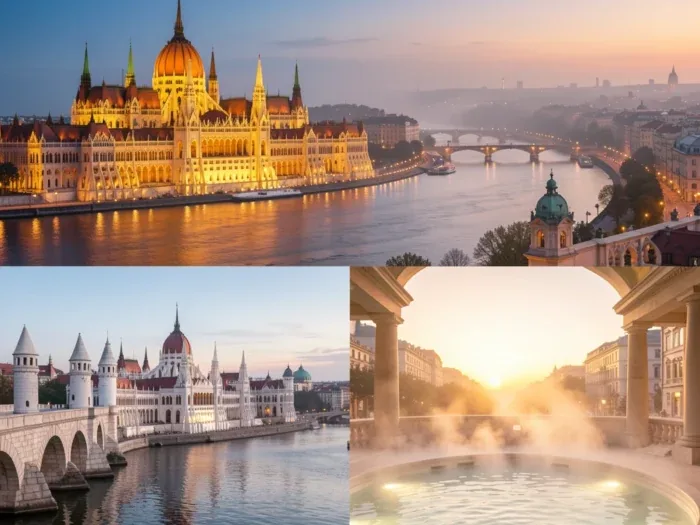
They sit two and a half hours apart by train and people weigh them up constantly. They are not the same trip.
| Factor | Vienna | Budapest |
|---|---|---|
| Character | Imperial, ordered, expensive-feeling | Grander in parts, rougher in others |
| The draw | Palaces, galleries, opera, coffee houses | Thermal baths and the Danube |
| Cost on the ground | Higher — it is a wealthy city | Noticeably lower |
| Currency | Euro | Hungarian forint |
| Best for | Music, art and doing things properly | Value, and an afternoon in a spa |
Vienna is the more polished city and the more expensive one to spend time in. Budapest gives you more for your money. If classical music or imperial art is the reason you are going, Vienna is not really a contest.
What you will actually see
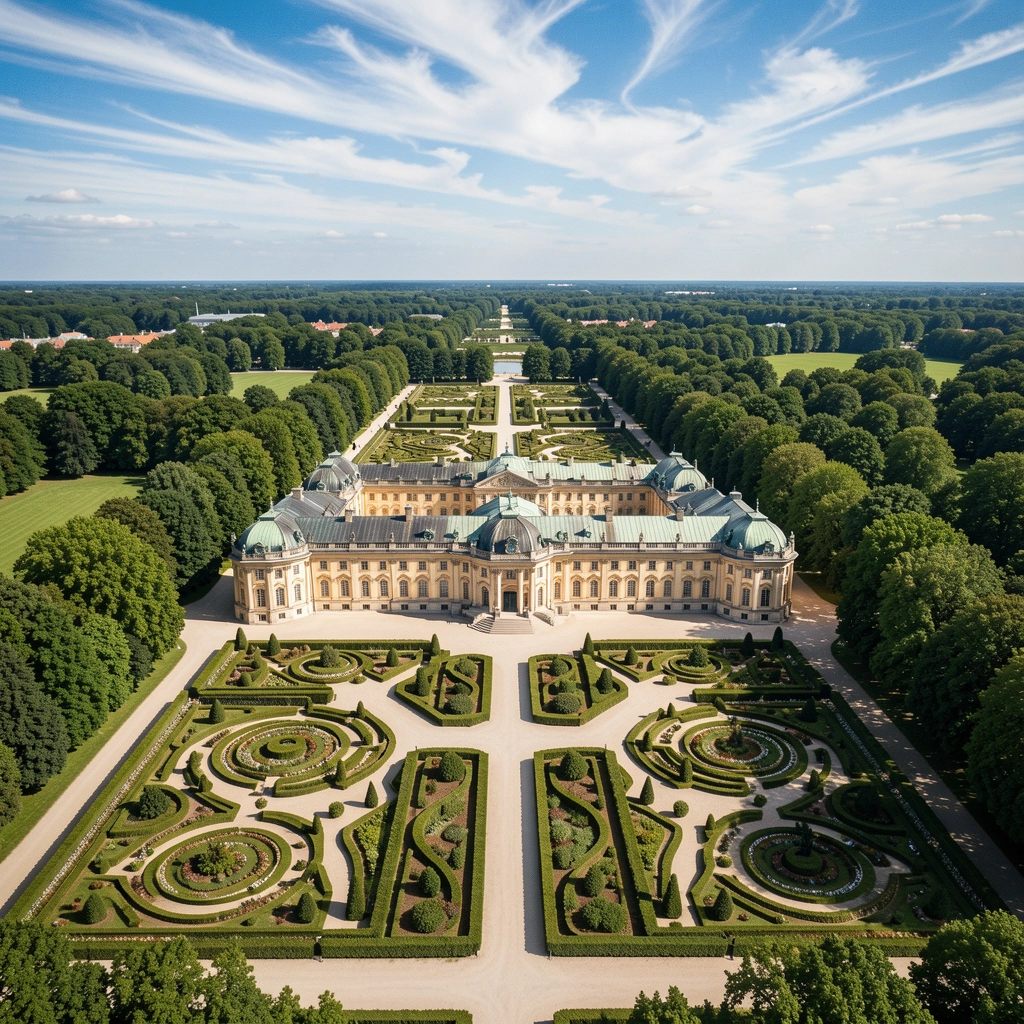
Schönbrunn Palace is the Habsburg summer residence and the single thing most visitors come for. The state rooms are a timed ticket; the gardens behind them are free and are worth as long again. Allow a half day and go early, because the coaches arrive mid-morning.
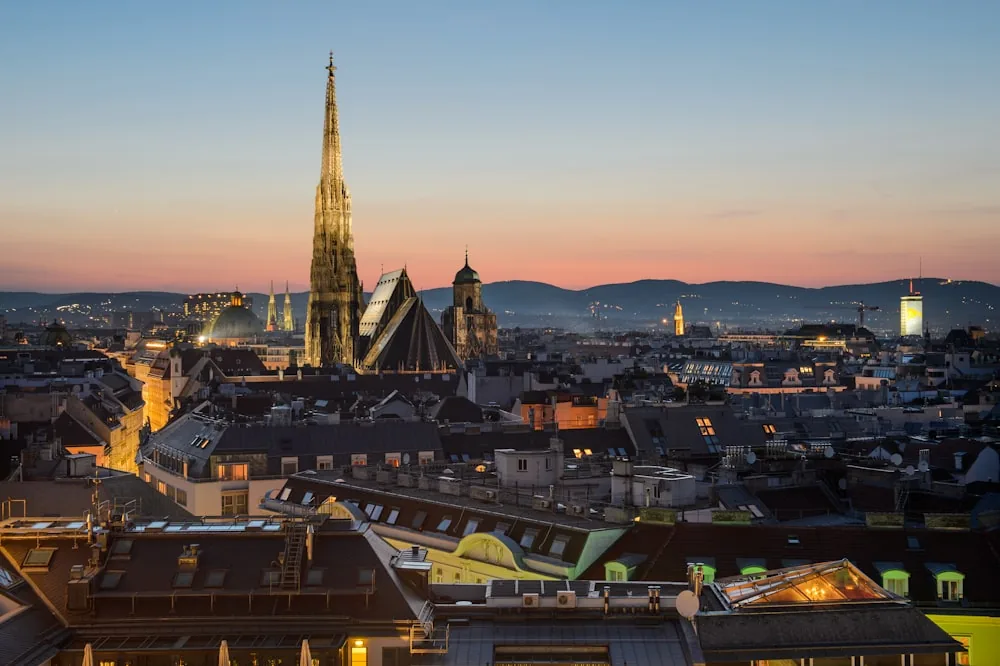
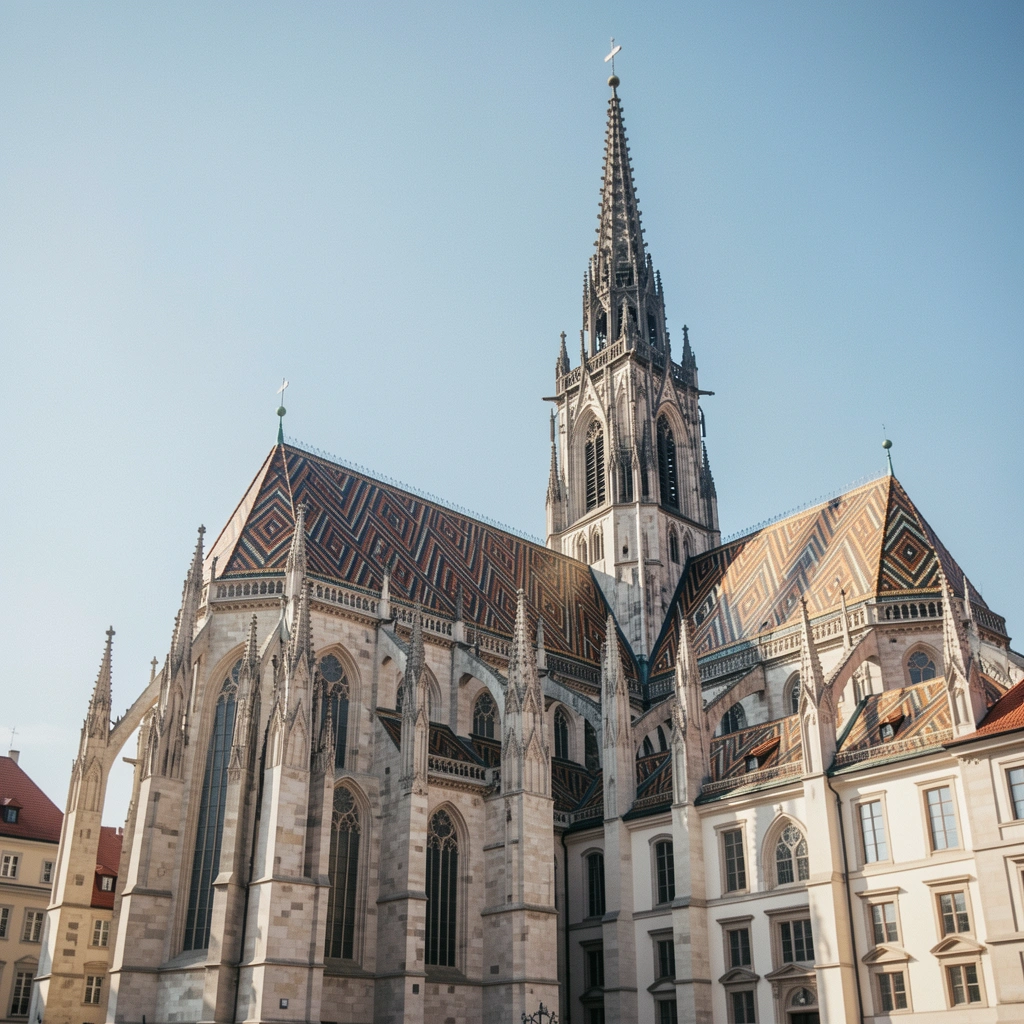
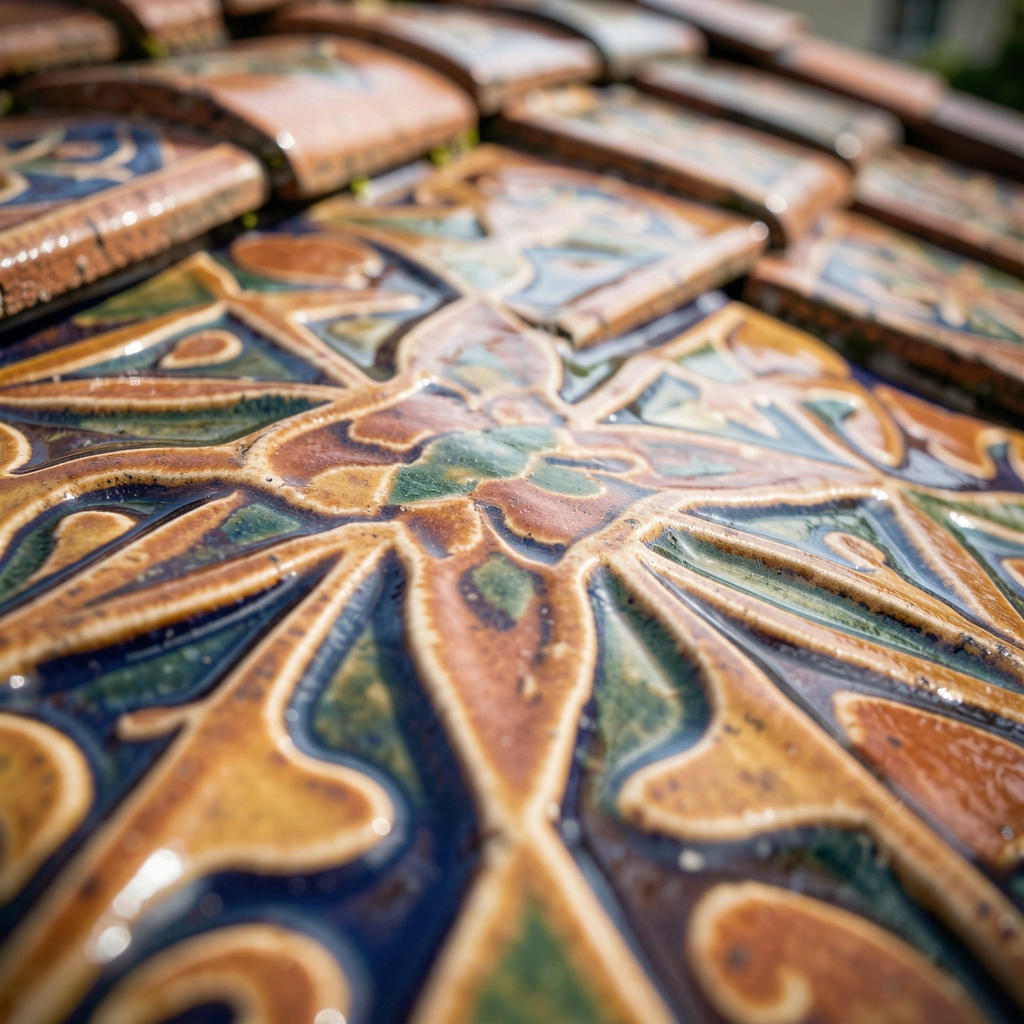
St Stephen’s Cathedral sits at the centre of the old town with its patterned tiled roof, and the streets around it are the heart of walkable Vienna. The tower climb is stairs and the view is the city laid out flat.
The Opera House runs standing-room tickets sold on the day for a few euros — one of the genuine bargains in European culture, and a far better story than paying five times as much for a seat you booked from home. Tours run when there is no performance.
The coffee houses are not a cliché, they are the point. Café Central, Sperl, Landtmann — you order one coffee, you are given a glass of water, and nobody minds if you stay two hours with a newspaper. It is the most Viennese thing you can do and it costs the price of a coffee.
When is the best time to go?
January is the cheapest month. Vienna in January is properly cold, and it is also when the city is at its most itself — the opera and concert season is in full swing and the coffee houses are full of people escaping the weather rather than visitors.
July is the most expensive and the least characterful: hot, busy, and a good part of the cultural calendar on summer break. November and October are the two value months with reasonable weather.
| Month | Notes |
|---|---|
| January | Cheapest; cold, and the concert season in full flow |
| November | Crisp, quiet, good value |
| February | Ball season, if that appeals |
| October | Autumn, comfortable temperatures |
| December | Christmas markets, busier and colder |
| September | Warm, the season restarting |
| May | Arguably the best weather of the year |
| June, August | Warm and busy |
| July | Dearest, and the cultural calendar quietest |
Seville is built for walking and hostile to hurrying. The old centre is a knot of narrow lanes that no map survives contact with, and getting lost in Santa Cruz for an hour is the point rather than a failure. Leave the phone in your pocket.
Eat late and eat standing up. Sevillanos do not sit down to dinner much before nine, and the best tapas bars are places you stand at the counter, order two things, pay and move on to the next. Three bars in an evening beats one table.
What changes your price?
- The month. January at its cheapest against July at its dearest for the same three nights.
- Departure airport. Priced from London, with regional UK airports at a supplement confirmed at enquiry.
- Hotel and location. The package is a 4★ confirmed at enquiry; staying inside the Ringstrasse costs more than just outside it and saves you time every day.
- Nights. A fourth night, for a Danube day or a trip to Bratislava or Budapest, is priced on request.
- Palace and gallery entry, none of which is included.
Who this holiday suits
- Anyone going for classical music — this is the city it belongs to.
- Travellers who like galleries and palaces and do not want to queue for two hours to see them.
- Couples after an unhurried, civilised, indoor-friendly winter break.
- People who will happily spend two hours in a coffee house and call it a morning well spent.
- Anyone who found Prague too crowded and wants the same era of architecture with room to breathe.
Who might prefer something else
- If the budget is tight once you arrive, Vienna is a wealthy city and prices reflect it. Budapest or Prague go considerably further.
- For nightlife, Vienna is refined rather than raucous. Berlin is the opposite end of that scale.
- For a named hotel, we confirm the property in writing before you pay — tell us what you want and we will quote it.
- If July is your only option, you are paying the most for the quietest cultural calendar of the year.
- Prefer warmth? The cheap months are cheap because Vienna in January is cold.
- If none of these is quite right, start from our wider selection of city breaks.
- If this is nearly right, look at our Milan City Break – 3 Nights Italy too before you decide.
Ways to upgrade
All quoted at enquiry against your dates.
- A named hotel, or one inside the Ringstrasse
- A larger room or a higher category
- Opera or concert tickets booked in advance rather than chanced on the day
- Schönbrunn and Belvedere timed entry
- A fourth night, or Budapest or Bratislava added by train
- Airport transfers rather than the City Airport Train or the S-Bahn
How to spend three days in Vienna
The city rewards a plan more than most, because its best things are indoors and several of them close one day a week.
Day one: the old town. St Stephen’s Cathedral, the streets inside the Ringstrasse, and one long stop in a coffee house. Add the Hofburg if the weather is against you. This is the day that needs no tickets and no timing.
Day two: Schönbrunn, early. The state rooms on a timed ticket, then the gardens, which are free and as good. Back into town for the afternoon and a gallery — the Belvedere for Klimt, the Kunsthistorisches for the Habsburg collection. Pick one; both in a day is a waste of both.
Evenings: music. Standing-room tickets at the Opera House go on sale shortly before each performance for a few euros. If you would rather be certain, we can book seats in advance. Either way, an evening of music in Vienna is not an optional extra — it is the reason a good number of people come.
The third day is the one to leave loose. Vienna is a city that rewards sitting still, and having nothing booked is the point rather than a failure of planning.
Getting there and getting around
Flights are from London, around two and a quarter hours, with regional UK airports at a supplement confirmed at enquiry. Austria is one hour ahead of the UK.
Transfers are not included. The S-Bahn from the airport is the cheap option and takes about twenty-five minutes; the City Airport Train is faster and dearer. In the city, the U-Bahn is clean, frequent and covers everything, and the historic centre inside the Ringstrasse is entirely walkable. Bratislava is an hour away by train and Budapest around two and a half.
Entry requirements for UK travellers
Checked against GOV.UK foreign travel advice on 17 September 2026.
Austria is in the Schengen area, so British passport holders need no visa for stays of up to 90 days in any 180-day period. Your passport must have been issued within the last 10 years of your arrival date and be valid at least three months after you leave — the 10-year rule catches out anyone who renewed early before October 2018.
The EU’s biometric Entry/Exit System is rolling out, replacing passport stamps with fingerprints and a photograph on your first crossing. It is free, lasts three years and speeds up later trips. ETIAS is not currently required.
Practicalities worth knowing
Austria uses the euro and cards are accepted almost everywhere, though a surprising number of coffee houses and small restaurants still prefer cash. Carry some.
Standing-room tickets at the Opera House go on sale shortly before the performance and cost a few euros. You queue, you stand, and you hear one of the best orchestras in the world. It is the single best value in the city.
Vienna’s coffee houses are places to sit, not to be turned over. Ordering one coffee and staying two hours is normal and expected, and being hurried is not something that happens.
Museums here are generally open later than in southern Europe but many close one day a week — check before you plan a day around one.
Vienna is flat and walkable inside the Ringstrasse, and the trams that circle it are a sightseeing route in themselves. Trams 1 and 2 between them cover most of the ring for the price of an ordinary ticket, which is a useful hour on a cold afternoon.
Booking and protection
This trip is covered by our ATOL licence 10713 and we hold IATA accreditation 91285611. It is held with a deposit of £99 per person, with the balance due before travel.
Prices are per person, based on two people sharing. The hotel is a 4★ confirmed at enquiry — if a specific property or a location inside the Ringstrasse matters to you, tell us and we will price it rather than assign you one.
Key journey highlights
Frequently asked questions
From £199 per person for three nights, reduced from £250, including return flights from London and a 4★ hotel. January is the cheapest month and July the dearest. Your exact figure depends on your dates and departure airport and is confirmed at enquiry.
The package is a 4★ property confirmed at enquiry rather than named in advance. If a specific hotel matters, or you want to be inside the Ringstrasse, tell us when you get in touch and we will price that rather than assign you something.
Your board arrangement is confirmed in writing before you pay. Ask when you enquire and we will confirm exactly what is covered before you pay anything.
January, per person. Vienna in January is properly cold and also at its most itself — the opera and concert season is in full swing and the coffee houses are full of residents escaping the weather rather than visitors. November is the next cheapest.
Vienna is the more polished city and more expensive once you arrive — £199 per person here against £219 for Budapest, but with noticeably higher day-to-day costs. Budapest gives you more for your money and the thermal baths. If classical music or imperial art is the draw, Vienna wins easily.
Yes, and it is the best value in the city. The Vienna State Opera sells standing-room tickets shortly before each performance for a few euros. You queue, you stand, and you hear one of the world's great orchestras. Seated tickets can also be booked in advance if you would rather not queue.
It is the main reason most visitors come. The state rooms are a timed ticket and the gardens behind them are free and worth as long again. Allow a half day and go early — the coach parties arrive mid-morning and the difference before and after that is considerable.
Genuinely, yes. You order one coffee, you are brought a glass of water, and nobody minds if you stay two hours with a newspaper. Café Central, Sperl and Landtmann are the well-known ones. It is the most Viennese thing you can do and it costs the price of a coffee.
Yes. Three nights gives you two full days — one for Schönbrunn and a gallery, one for the old town, the cathedral and the coffee houses — with an evening for a concert or the opera. A fourth night is only worth it if you want a day trip to Bratislava or Budapest.
Once you are there, yes — it is a wealthy city and prices reflect it, particularly for eating out. The package price is low but your spending will be higher than in Prague or Budapest. Coffee houses and opera standing tickets are the two things that are unexpectedly good value.
No. Austria is in the Schengen area and British passport holders can stay up to 90 days in any 180-day period without one. Your passport must have been issued within the last 10 years of your arrival date and be valid at least three months after you leave. Checked against GOV.UK on 17 September 2026.
Your passport must have been issued within the last 10 years of the date you arrive, not simply be in date. Passports renewed early before October 2018 can carry extra months that no longer count, and it is the most common reason British travellers are refused boarding at the gate.
A biometric record — fingerprints and a photograph — replacing passport stamping when you first cross an external Schengen border. It is free, lasts three years and makes later trips quicker. The practical effect is extra time at the border on your first crossing under it.
Transfers are not included. The S-Bahn is the cheap option at around twenty-five minutes; the City Airport Train is faster and costs more. We can arrange a private transfer if you would prefer not to work it out on arrival — just ask when you enquire.
Some. Austria uses the euro and cards work almost everywhere, but a surprising number of coffee houses and smaller restaurants still prefer cash — including some of the famous ones. Carrying fifty euros in notes saves an awkward moment over the bill.
December is higher again per person, with Christmas markets across the city and the imperial architecture doing a great deal of the work. It is colder and busier than November, and still well below the summer prices. The ball season follows in January and February if that appeals.
It is the city classical music belongs to, and the season runs through the winter rather than the summer — which is part of why January is such good value. July, the most expensive month, is when much of the cultural calendar is on break.
Yes. Bratislava is an hour away by train and Budapest around two and a half, and both work as day trips on a fourth night or as a second base. We run a Vienna and Budapest twin-city Christmas market package, and can build a year-round version against your dates.
The historic centre inside the Ringstrasse is entirely walkable. Beyond it, the U-Bahn is clean, frequent and covers everything, including Schönbrunn. A short-stay travel card is usually better value than individual tickets across three days.
Ninety-nine pounds per person, with the balance due before travel. The trip is ATOL 10713 protected and we hold IATA accreditation 91285611. Prices are per person, based on two people sharing.
Noticeably less than Prague, which is one of its quieter advantages. Schönbrunn gets coach parties mid-morning and the old town is busy in summer, but you will not find yourself unable to move the way you can on Charles Bridge in July.
January and November are the cheapest months and hold availability reasonably well. December sells early for the Christmas markets, and May weekends go quickly. Want opera tickets booked rather than chanced? Tell us early — those release on their own schedule.
More hand-picked offers
 Save 20%
ATOL Protected
Ibiza
Room Only
4 Nights Ibiza Island Getaway
“Unwind on Cala Llonga Beach”
Your Holiday, Planned Properly.
Tell us where you would like to go, how you want to travel, and what matters most to you. Our UK travel designers will build the itinerary around you.