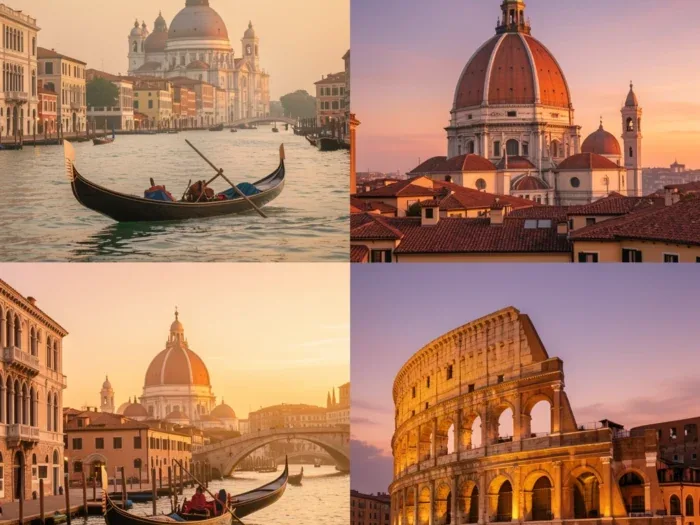
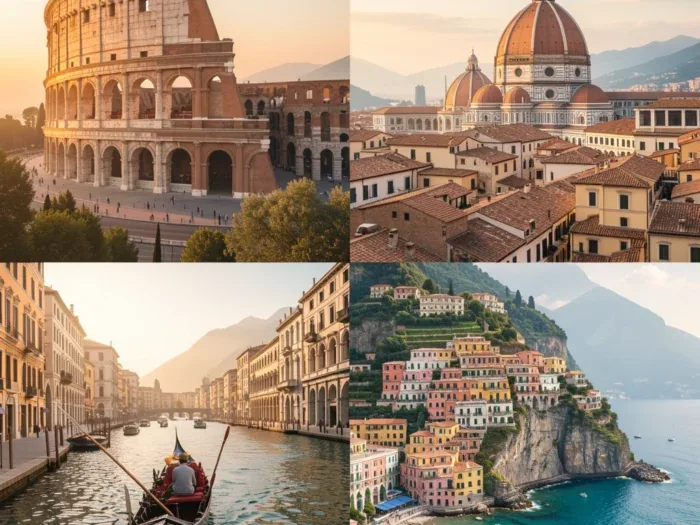
What does a Rome city break include, and what does it cost?
Two nights at the Hotel Gioberti or similar 4★ near Termini station, with daily breakfast, return flights from London and full ATOL protection under licence 10713. The advertised lead-in price is £179pp based on two adults sharing, reduced from £230pp, and it holds with a £99pp deposit. It suits couples and first-time visitors wanting the headline sights over a long weekend. Attraction entry and transfers are not included. Regional UK departures are available on request. Your exact price depends on dates, availability, room category and departure airport, and is confirmed at enquiry.
Is two nights long enough in Rome?
For a first visit, two nights is tight but workable — and far better than not going. You get one full day plus two half days, which covers the Colosseum and Roman Forum on one morning and the Vatican on another, with an evening in Trastevere between them.
What two nights will not give you is time to wander without a plan, which is the thing Rome is actually best at. If you have the flexibility, three nights changes the trip completely.
Two nights, three nights or four?
Three nights is the length we would recommend to most people. Ask and we will quote the extra night.
What you will actually see
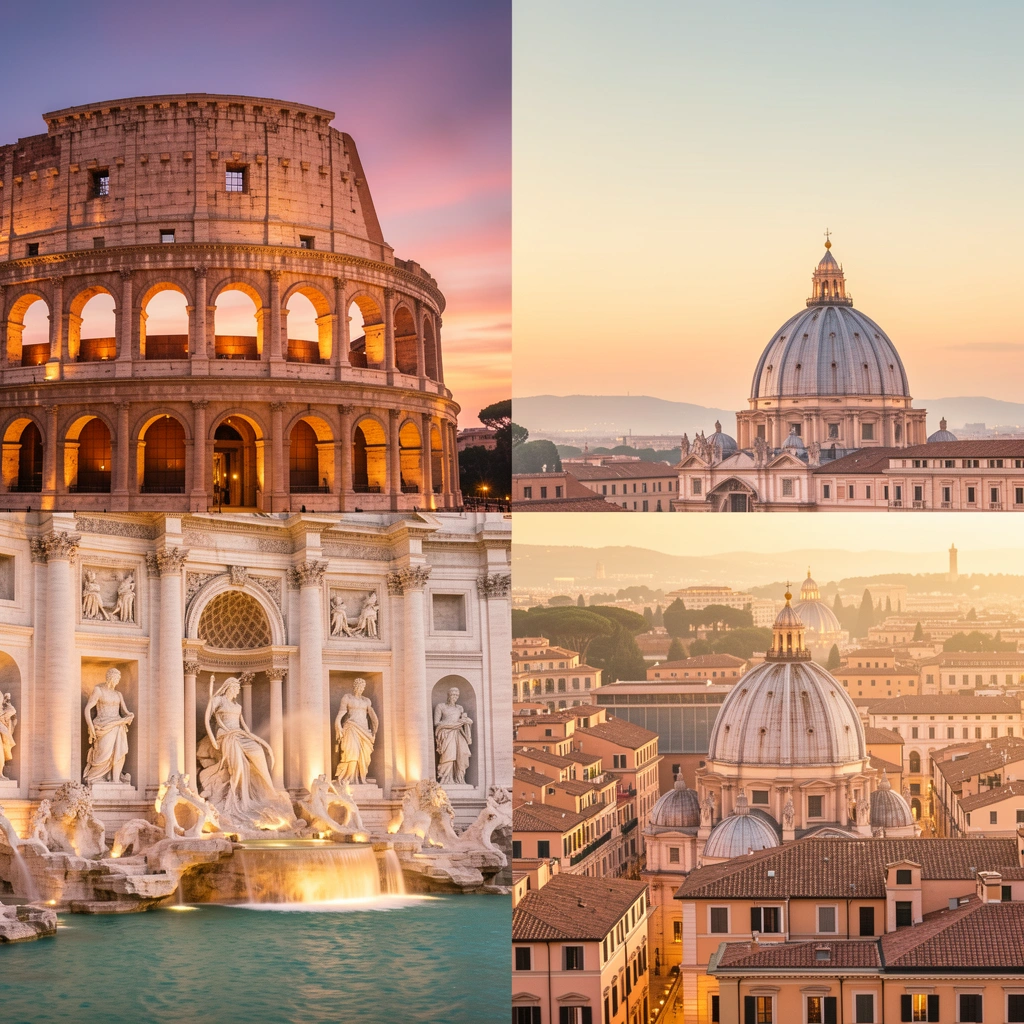
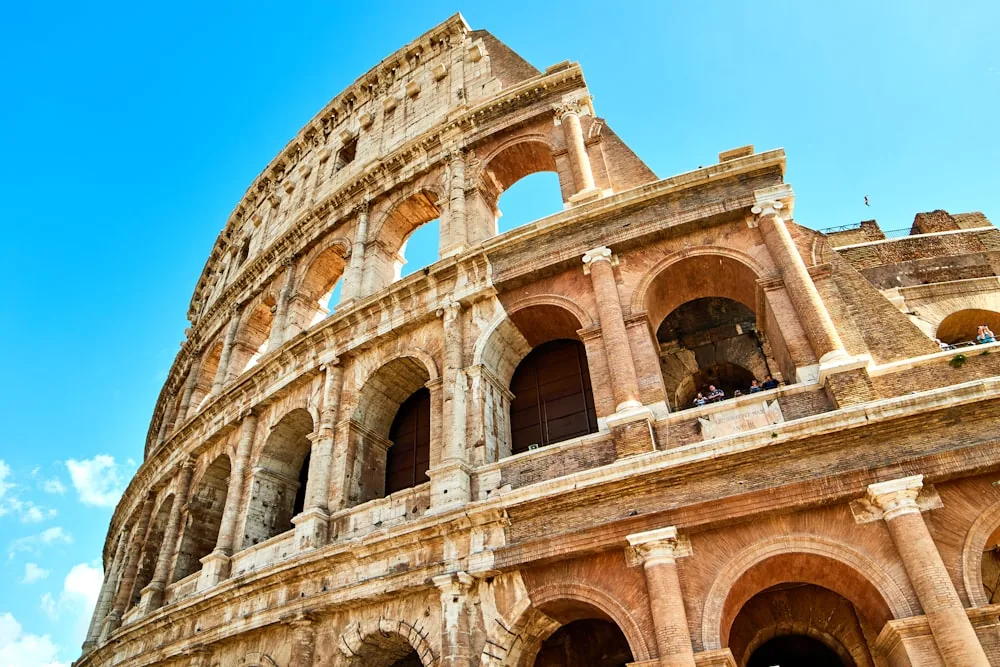
The Colosseum and Roman Forum sit together and are best done first thing, before the queues and the heat. Book a timed entry in advance; turning up on the day in summer costs you an hour minimum.
St Peter’s Basilica and the Vatican Museums are on the other side of the river and need a separate half-day. The Museums are enormous and most people try to see too much — the Sistine Chapel and the Raphael Rooms are the ones worth queueing for.
Trastevere in the evening is where Rome stops being a monument and starts being a city. Cross the river, get lost in the lanes, and eat somewhere without a menu in four languages outside.
Eating in Rome without falling into a tourist trap
Rome has more bad restaurants per square metre near its monuments than almost anywhere in Italy, and they exist because most visitors eat wherever they happen to be standing when they get hungry. The fix is simple: walk three streets away from whatever you have just looked at.
The reliable tells are the same ones locals use. A menu translated into four languages with photographs is a tourist restaurant. A laminated “tourist menu” at a fixed price is worse. Somewhere with a short handwritten menu that changes, and staff who are not standing outside trying to bring you in, is almost always better and usually cheaper.
Trastevere, Testaccio and the Monti district are where Romans actually eat. Testaccio in particular is the working-class food quarter and is worth the twenty-minute walk from the Colosseum. Roman cooking is simple and specific — cacio e pepe, carbonara, amatriciana, saltimbocca — and a restaurant doing all of them well is a better sign than one with a long menu.
Coffee is cheaper standing at the bar than sitting at a table, often by half. That is not a scam, it is the rule everywhere in Italy and it is printed on the price list.
Getting around the city
Rome is walkable in the sense that the historic centre is compact, but it is hilly, the paving is uneven cobble, and distances are longer than the map suggests. Proper shoes matter more here than in most cities.
The metro has only three lines and misses much of the historic centre, because digging in Rome keeps hitting archaeology. It is useful for Termini to the Colosseum and Termini to the Vatican, and not much else. Buses fill the gaps but are slow in traffic.
Taxis are metered and reasonable for short hops. Agree nothing in advance and make sure the meter is running. For two nights, most people walk almost everywhere and use the metro two or three times.
How much does a Rome city break cost?
The advertised lead-in price is £179pp for two nights, reduced from £230pp, including return flights from London, a central 4★ hotel and daily breakfast, with full ATOL protection.
January is the lowest month, with November and February close behind. July is the highest and August close behind.
This is a lead-in price rather than a quote. Budget separately for attraction entry, which adds up quickly in Rome — the Colosseum and Vatican Museums both charge, and skip-the-line tickets cost more again but are usually worth it.
What can change your final price?
- Travel dates — the biggest factor. The package runs from January at its cheapest to July at its dearest.
- Departure airport — the price shown is from London; regional departures are quoted at enquiry.
- Room category — the lead-in is a standard room.
- Extra nights — a third night is the most common change to the package.
- Hotel location — moving from the Termini area to the historic centre generally costs more.
- Transfers — not included as standard; the Leonardo Express is inexpensive and simple.
- City tourist tax — payable directly at the hotel and never included in a package price.
When is the best time to go?
April, May, late September and October. Warm enough to eat outside, cool enough to walk all day, and without the August crowds.
July and August are hot in a way that genuinely affects what you can do — midday is uncomfortable and the queues are at their worst. They are also the most expensive months on the package.
Winter is underrated and it is when this break is cheapest. January buys you the same city with short queues and cold, bright mornings. Bring a coat and go.
Who this holiday suits
Couples on a long weekend. Good fit — two nights is the classic Rome weekend and the price makes it an easy decision.
First-time visitors. Good fit — the itinerary writes itself and the hotel’s Termini location puts both halves of the city within reach. Consideration: three nights would serve you better.
History and art enthusiasts. Good fit — nowhere in Europe packs more into a small area.
Repeat visitors. Good fit — two nights is enough to revisit favourites without the pressure of seeing everything.
Who might prefer something else
Want to see Italy rather than Rome? The six-night Venice, Florence and Rome trip covers all three on the high-speed line.
If you are travelling with young children, Rome in two nights is a lot of walking, queueing and heat. A beach-based Italian trip will be easier.
If August is your only option and you dislike crowds and heat, consider Milan or a northern Italian city instead — or move the trip to a shoulder month.
Want to relax? This is not that holiday. Rome rewards effort.
Ways to upgrade
All quoted at enquiry against your dates.
- A third or fourth night
- A higher room category, or a hotel in the historic centre rather than near Termini
- Private airport transfers instead of the Leonardo Express
- Adding Florence by high-speed rail for a twin-city trip
- Pre-booked skip-the-line entry for the Colosseum and Vatican
- If this is nearly right, look at our Milan City Break – 3 Nights Italy too before you decide.
Getting there
London to Rome is around two and a half hours, with flights from all the London airports into Fiumicino or Ciampino. Regional UK departures are available on request with the supplement confirmed at enquiry.
From Fiumicino, the Leonardo Express runs to Termini in about half an hour and is the simplest way in. Your hotel sits near Termini, so it is a short walk at the other end.
Entry requirements for UK travellers
No visa is needed for British passport holders — Italy is in the Schengen area and you can stay up to 90 days in any 180-day period.
Two passport rules apply. It must have been issued within the last ten years of your arrival date, and be valid for at least three months after you leave the Schengen area. Check the issue date, not just the expiry: a passport renewed early before October 2018 can carry extra months that no longer count.
The EU’s Entry/Exit System is now rolling out. It replaces passport stamping with a biometric record, so expect to give fingerprints and have a photo taken on your first entry. It is free and the record lasts three years. Allow a little extra time at the border that first time. Always check the latest official entry requirements on GOV.UK before travelling.
Booking and protection
ATOL protected under licence 10713 and held with a £99pp deposit. A dedicated UK consultant handles the booking from enquiry to return.
For a third night, a different area, or to pair Rome with Florence, we build all of it — see our Rome and Florence twin-city break, the six-night Venice, Florence and Rome trip, or browse more city break holidays.


 Save 21%
ATOL Protected
Italy
Room Only